
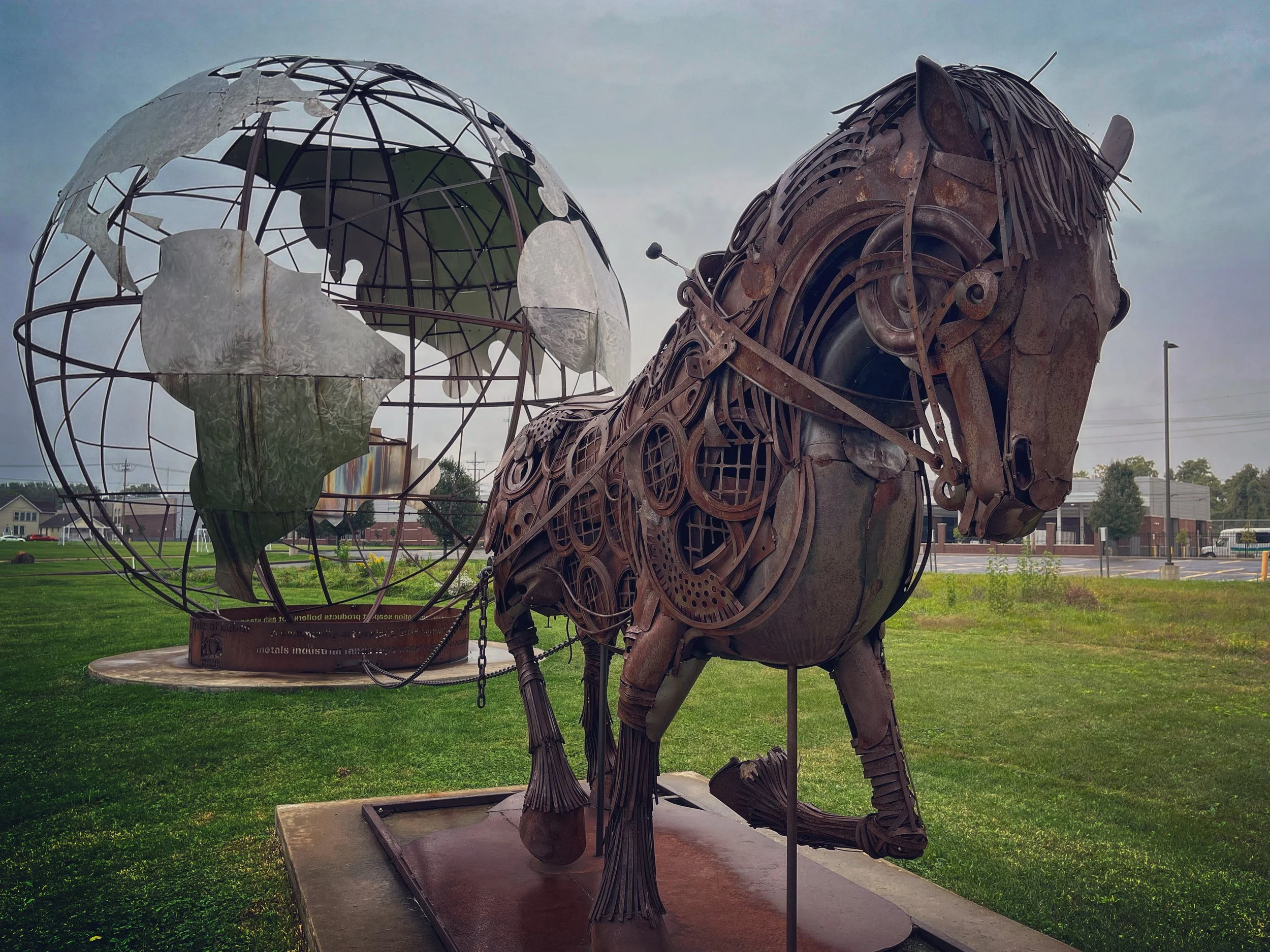
Public Art
Signs
Erie has never been shy about labeling itself. Some signs shout from rooftops, some whisper from museum corners, and some stand so proudly in the landscape that they become part of how we remember moving through this place. At Bayview Park, a modern Erie sign sits at the edge of the bluff like a cheerful lookout, reachable by a winding walking path that delivers you straight into a postcard view of the bay. Down at Dobbins Landing, the original Public Dock sign — the one generations of Erie kids grew up seeing — now rests inside the Maritime Museum, retired but still carrying the weight of lakefront authority. Even the stained‑glass City Hall window, glowing quietly at the Hagen History Center, feels like a municipal ghost: a fragment of civic pride preserved behind glass.
But Erie’s signs don’t always stay where they’re supposed to. The 4th & State street signs have wandered indoors, standing proudly in the middle of U Pick 6 Tap House like they’re holding court over the bar. The King’s Rook Club sign, with its crowned profile presiding over the shingled façade, remains one of Erie’s most iconic little mysteries — a symbol of decades of music, mischief, and late‑night lore. Out in Union City, a Mail Pouch barn keeps the Americana flame burning along US‑6, its painted plea weathering decades of rain and nostalgia. Mason Farms adds its own roadside folklore with a towering ear of corn and a giant strawberry, bright enough to make any passerby slow down and smile. The Edinboro University sign, captured before the name dissolved into PennWest, has already become a time capsule. And then there’s the wonderfully strange “Nuclear Free Zone” sign outside the old Cascade Methodist Episcopal Church, a Cold War relic still insisting on peace at 21st and Cascade. More nuclear‑era oddities surely wait in basements, alleys, and forgotten doorways.
Together, these signs form a chorus: some historic, some commercial, some defiant, some just delightfully odd. They mark the places we’ve been, the institutions we’ve trusted, the jokes we’ve told, and the eras we’ve survived. This page gathers them not as mere signage, but as characters in Erie’s ongoing story — each one a little louder, a little stranger, and a little more alive than it first appears.
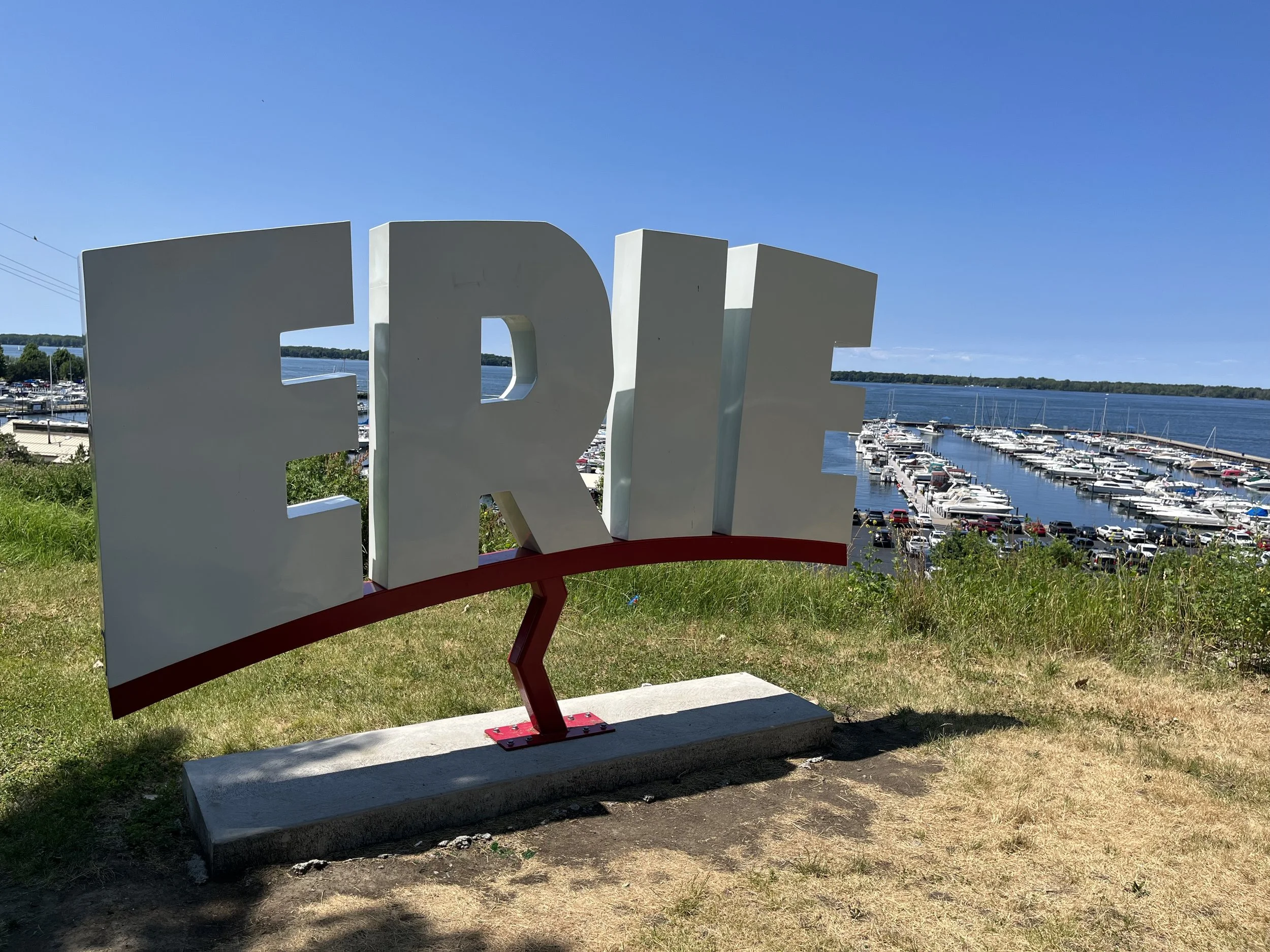
Erie Sign, Bayview Park
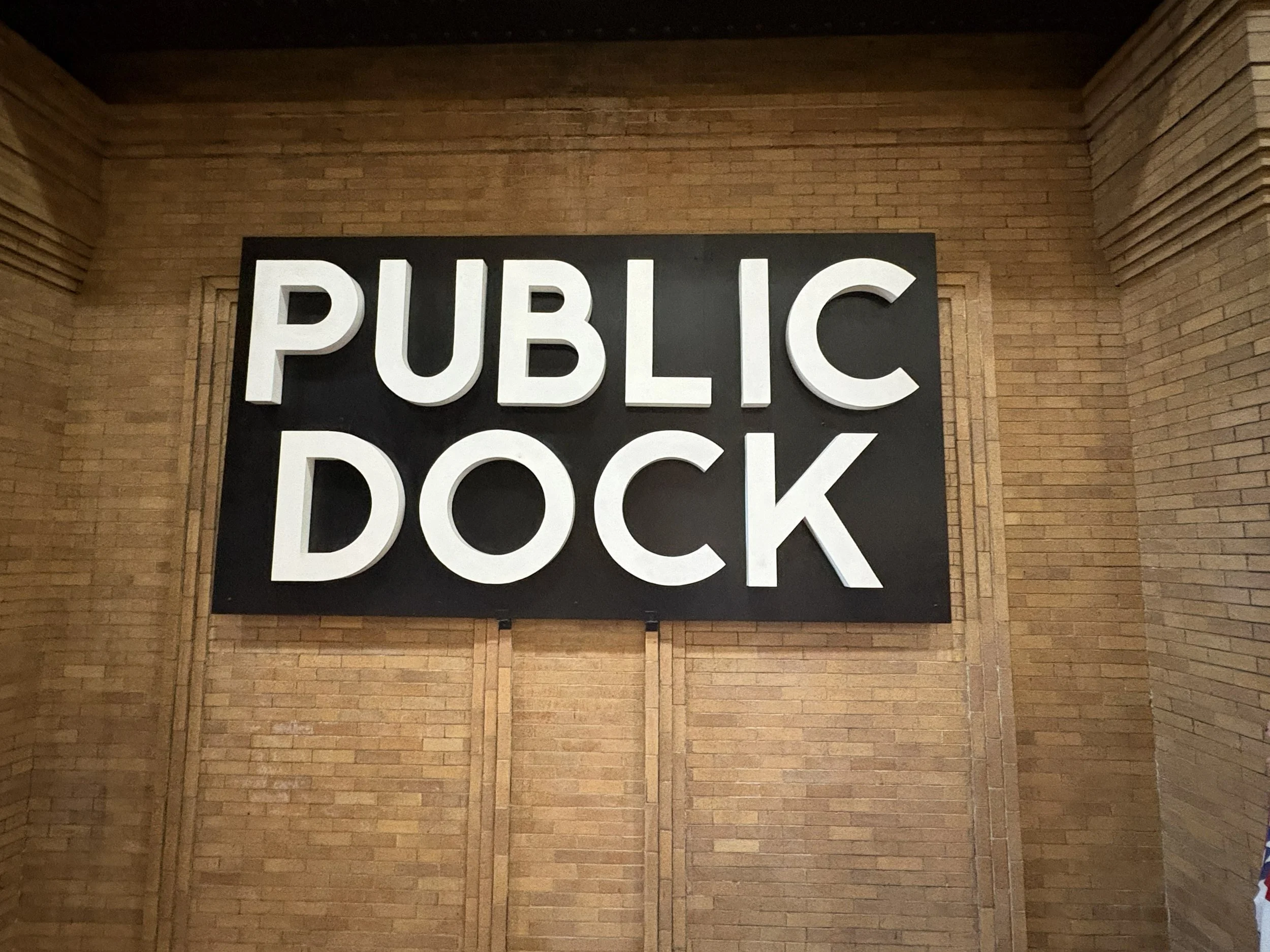
Old Public Dock sign, Erie Maritime Museum
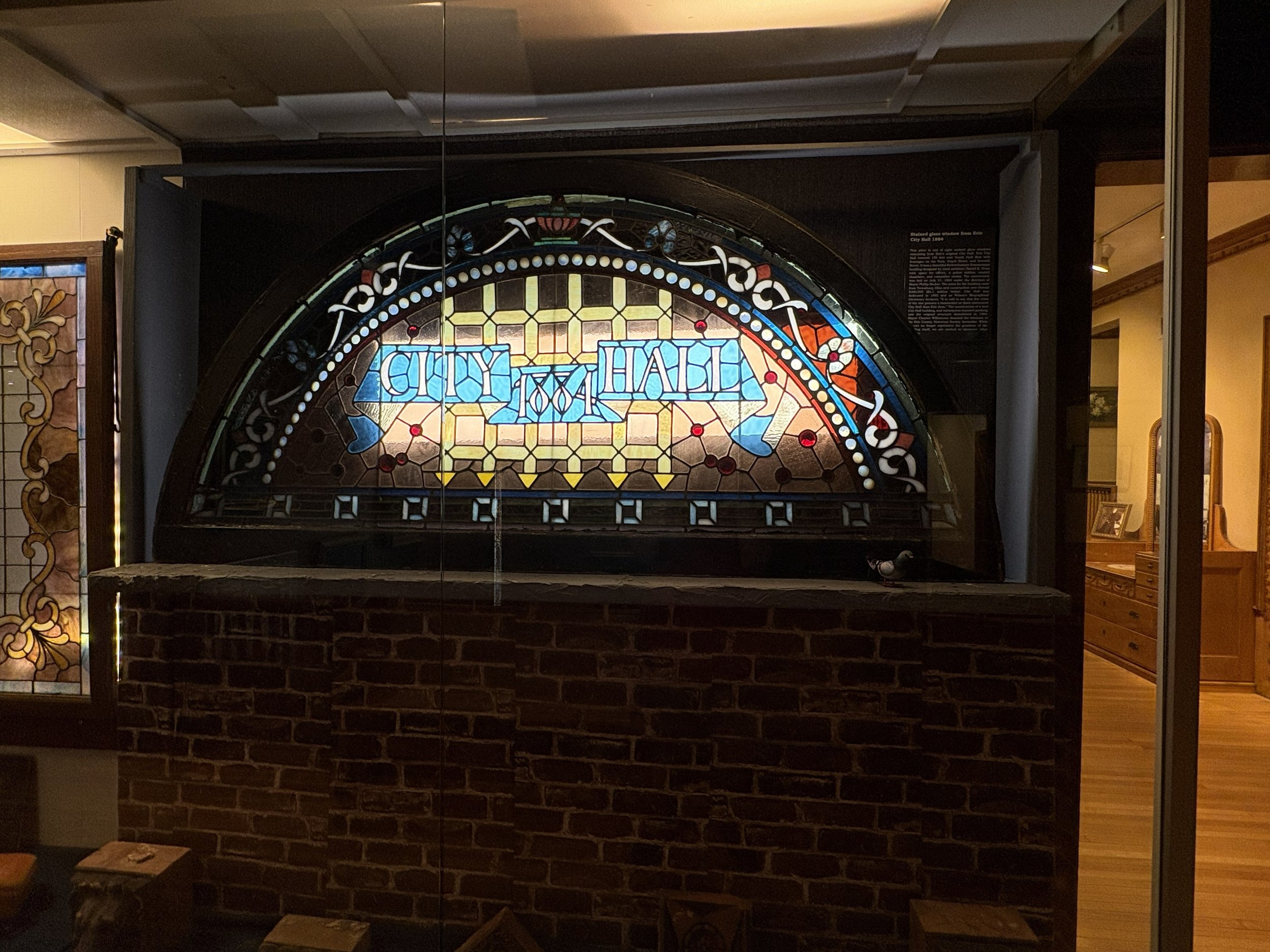
Stained Glass sign from former City Hall, Hagen History Center, Erie
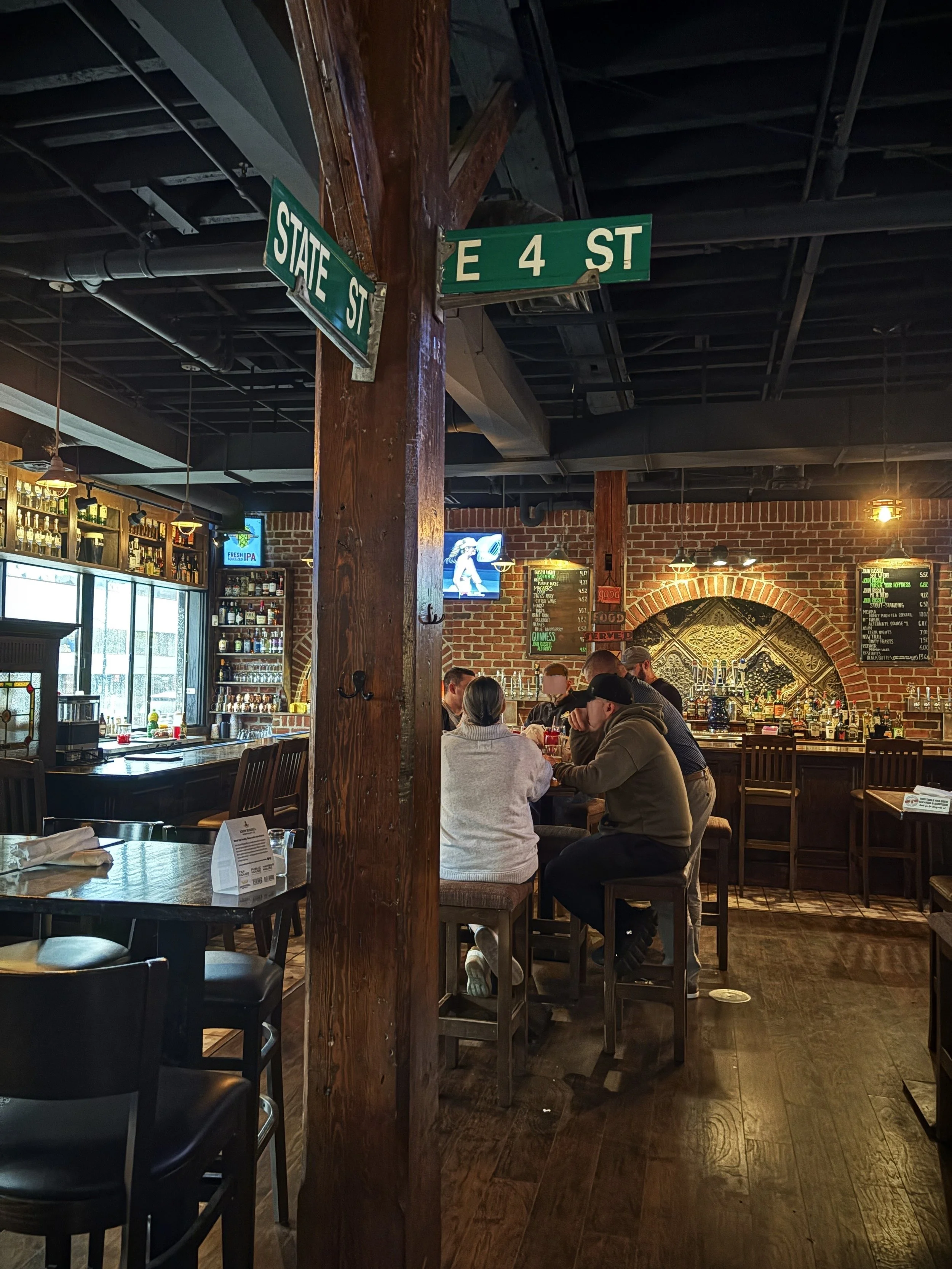
4th & State Street Signs, U Pick 6 Tap House, 333 State St, Downtown Erie
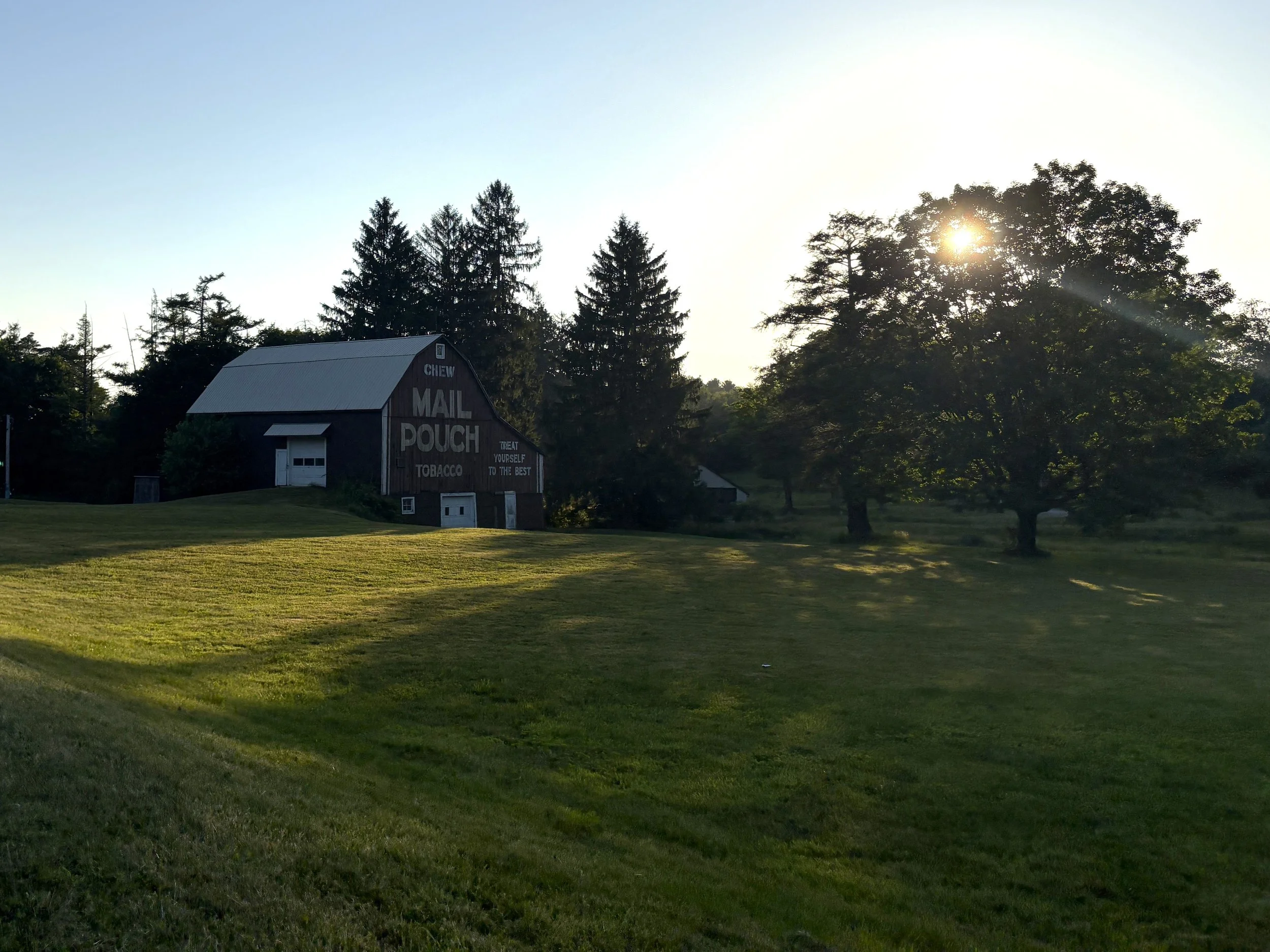
Mail Pouch Sign, US-6, Union City
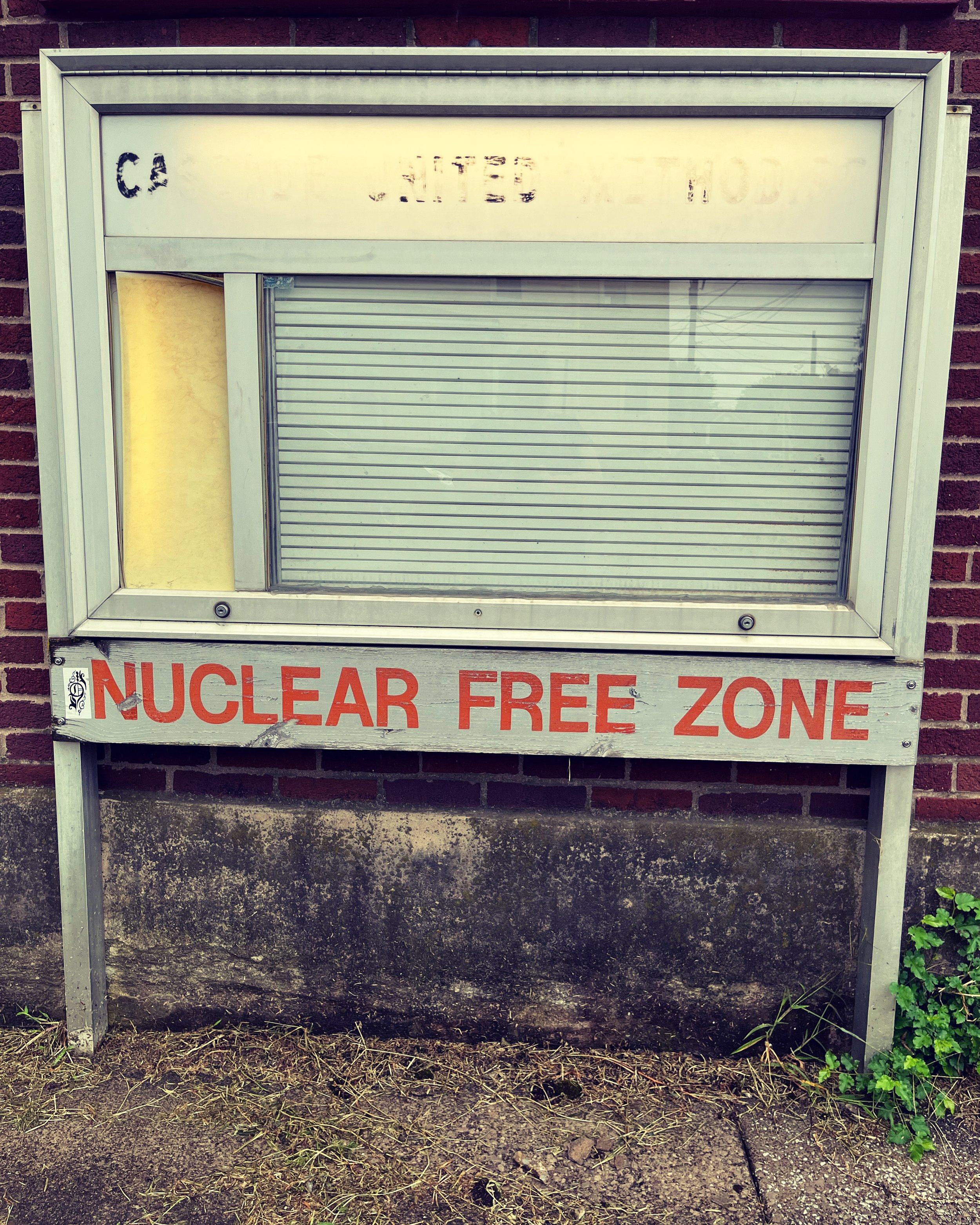
"Nuclear Free Zone", Cascade M.E. Church, 21st & Cascade
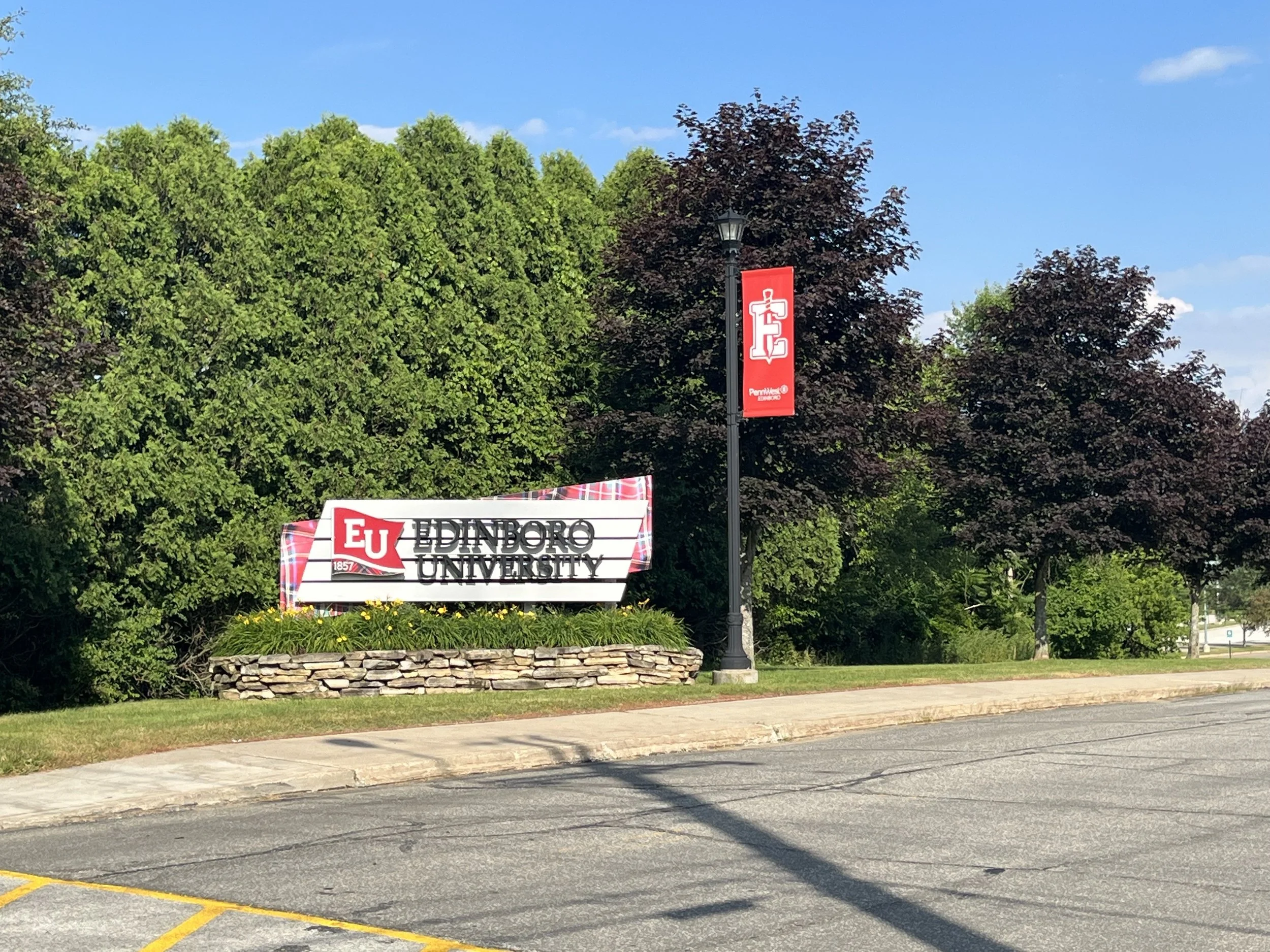
Edinboro University Sign (now PennWest)
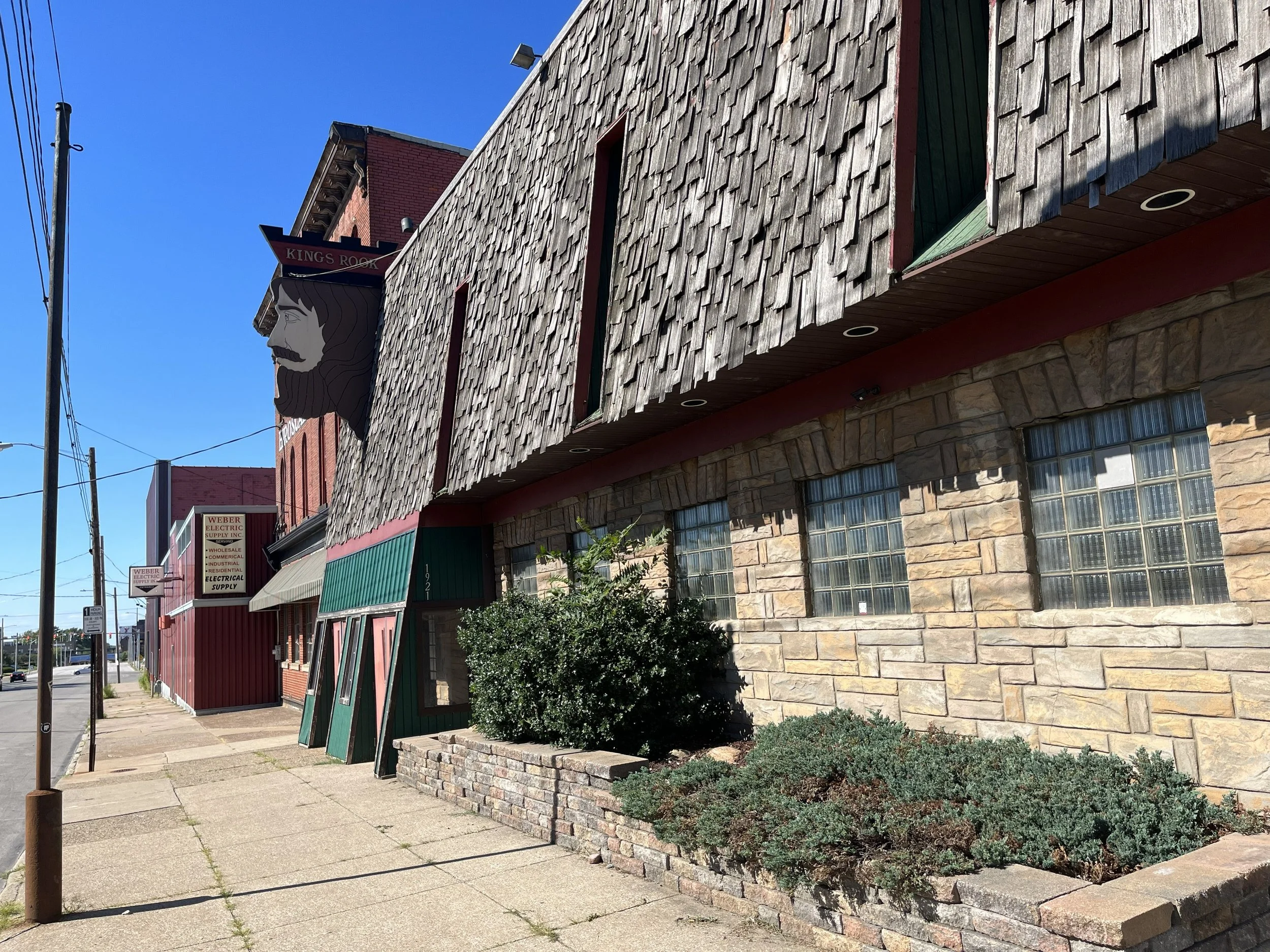
The Rook Club sign, Peach St, Downtown Erie
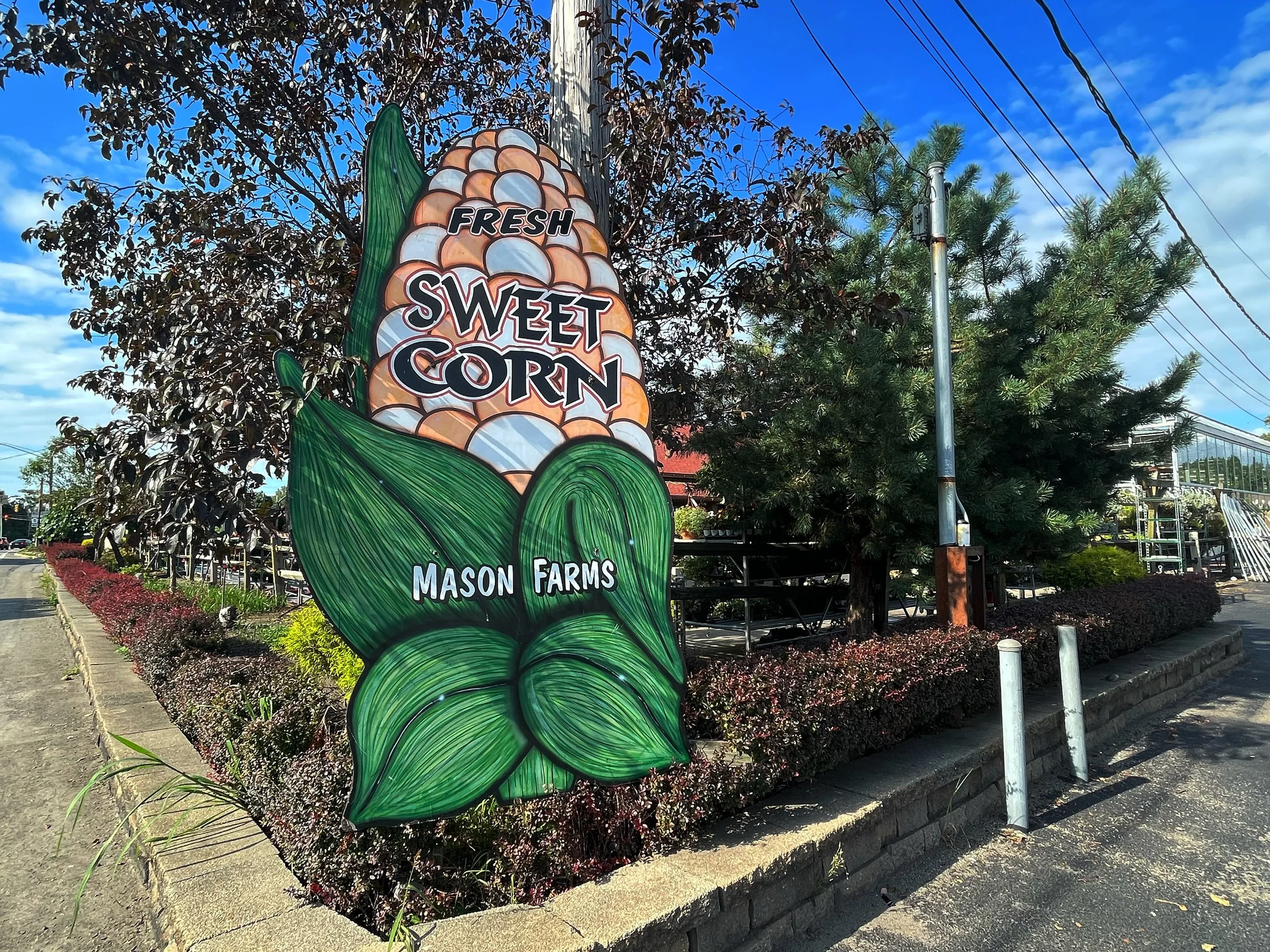
Mason Farms corn sign, Millcreek
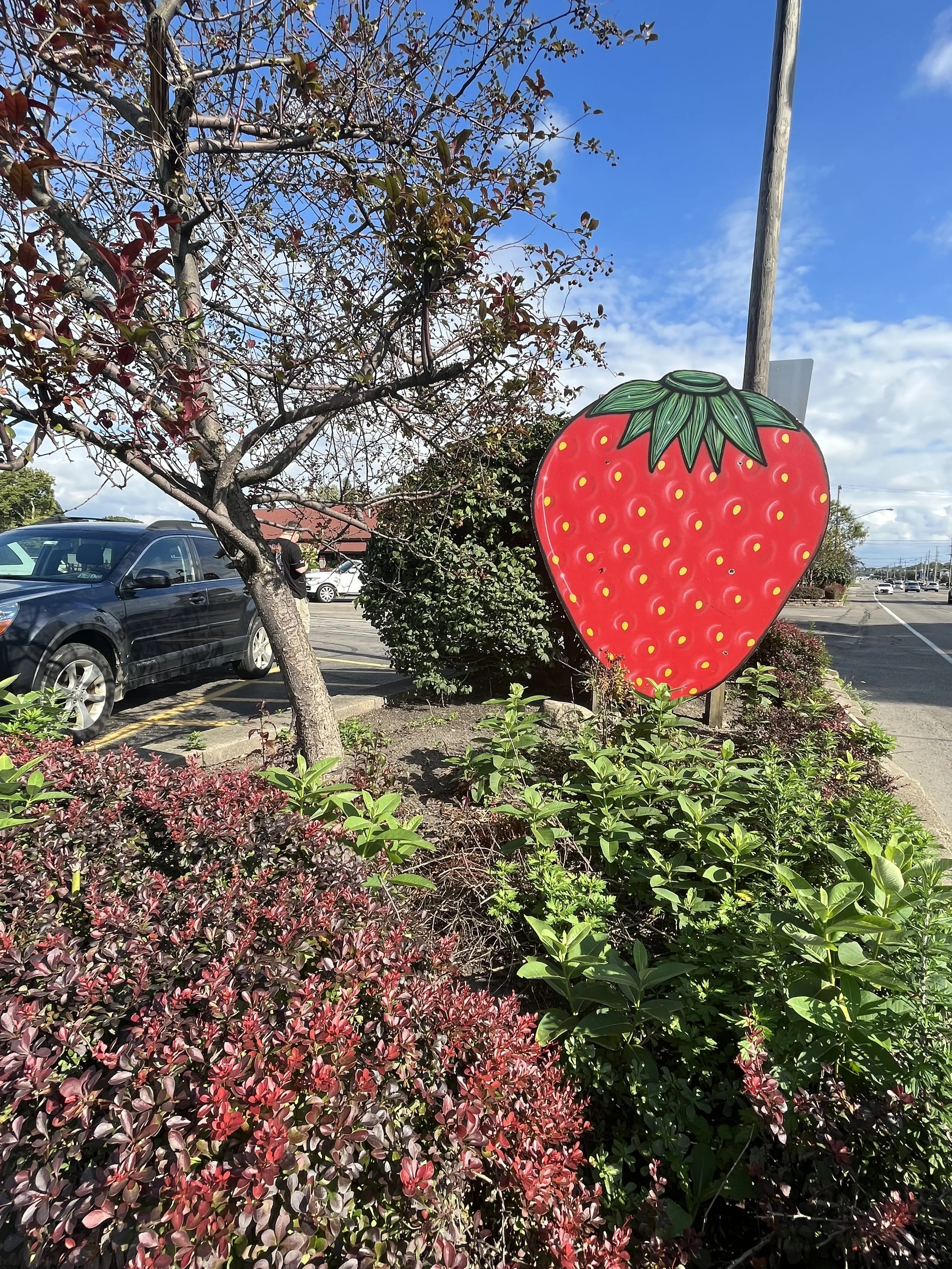
Mason Farms strawberry sign, Millcreek
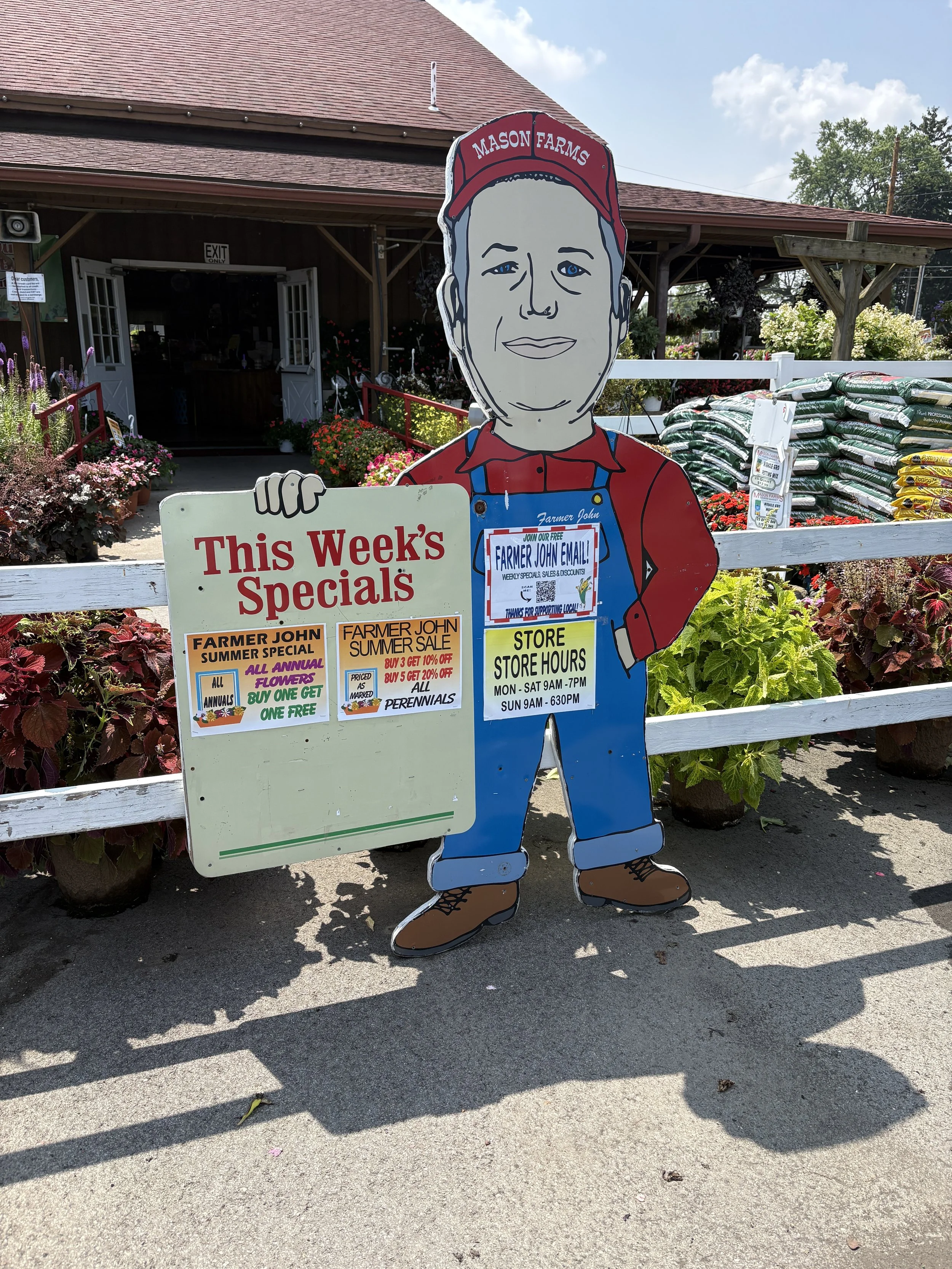
Mason Farms sign, Millcreek
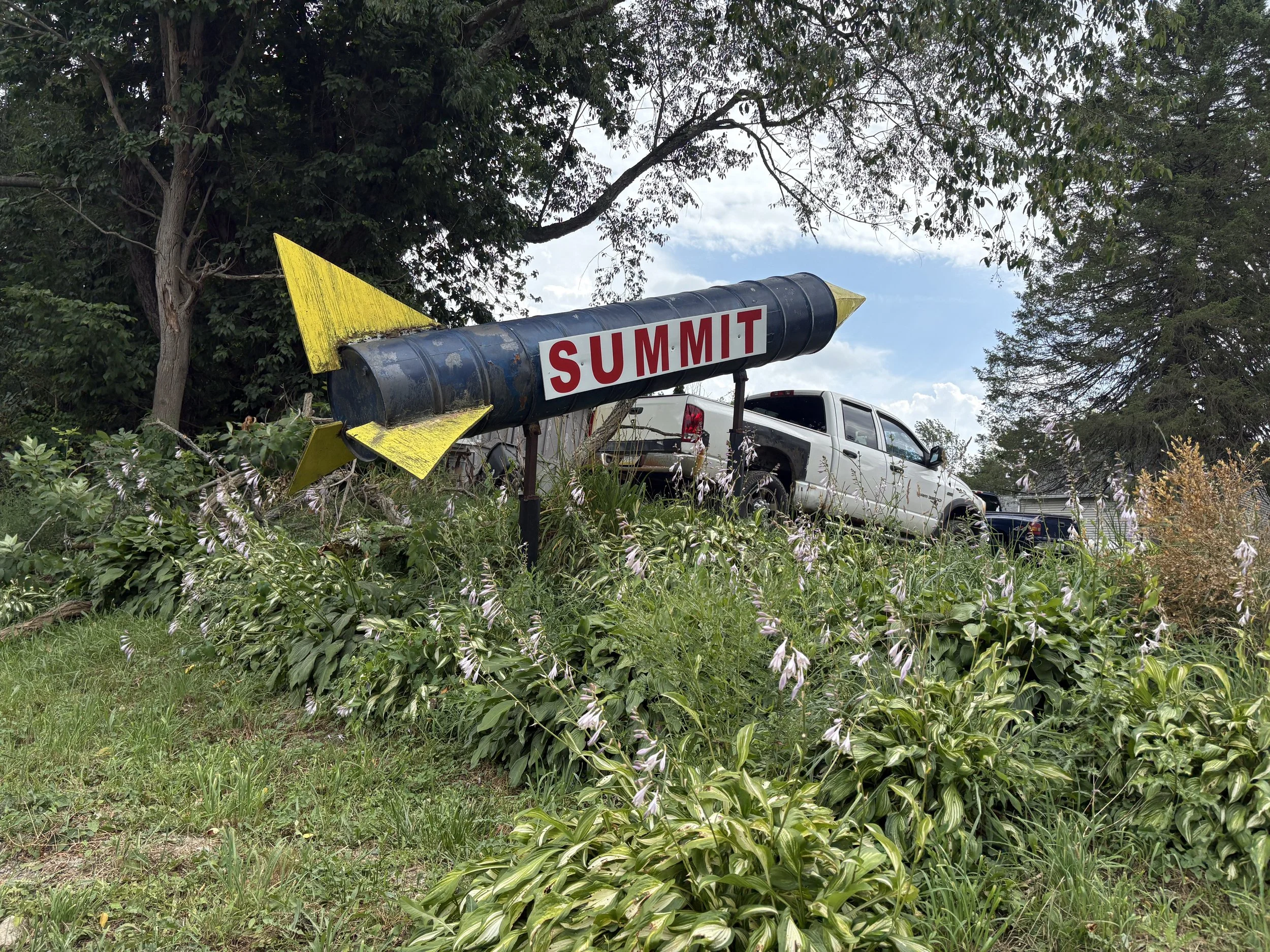
PA97 in Summit
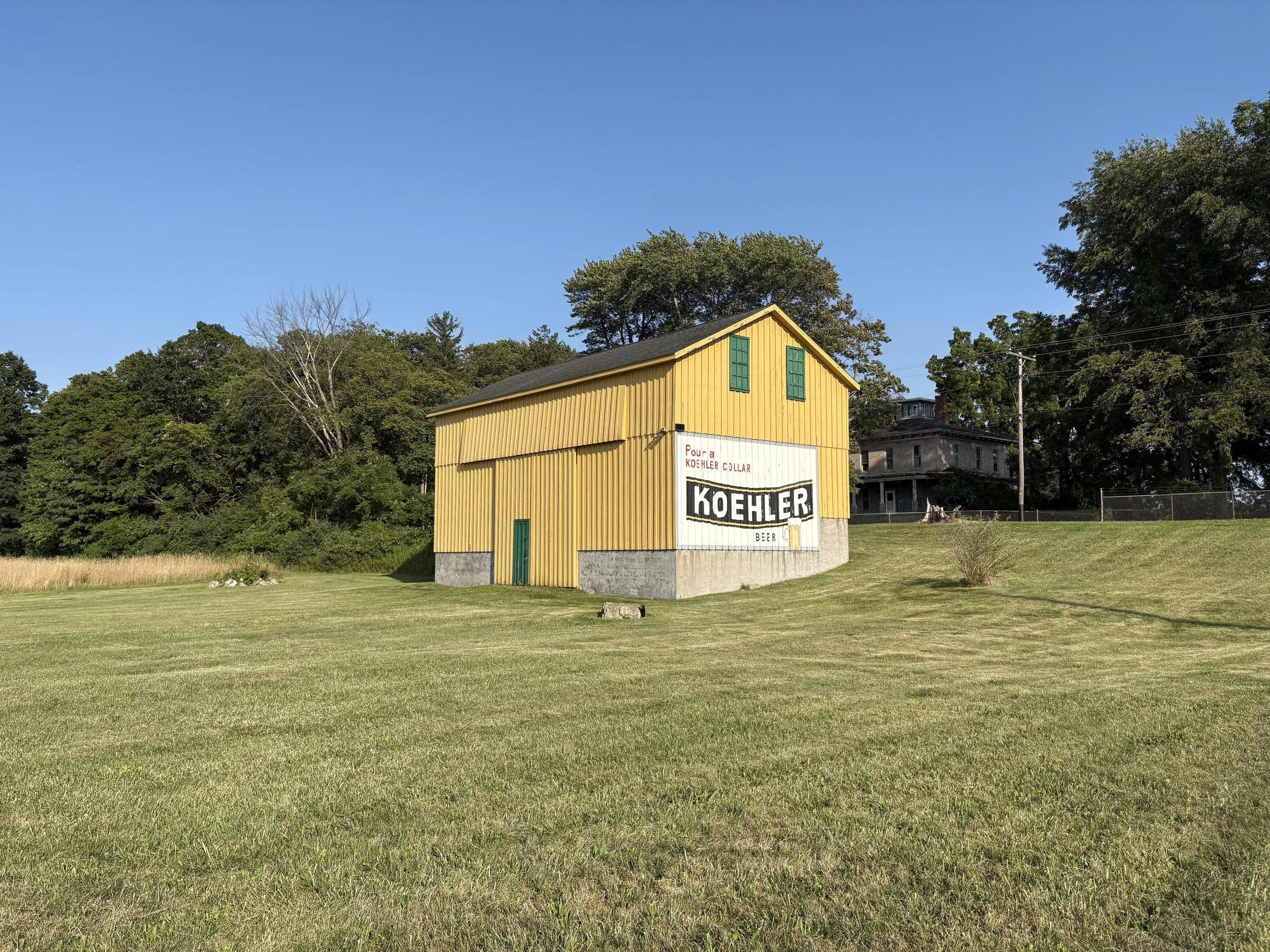
Koehler Barn, Rt 5, Avonia
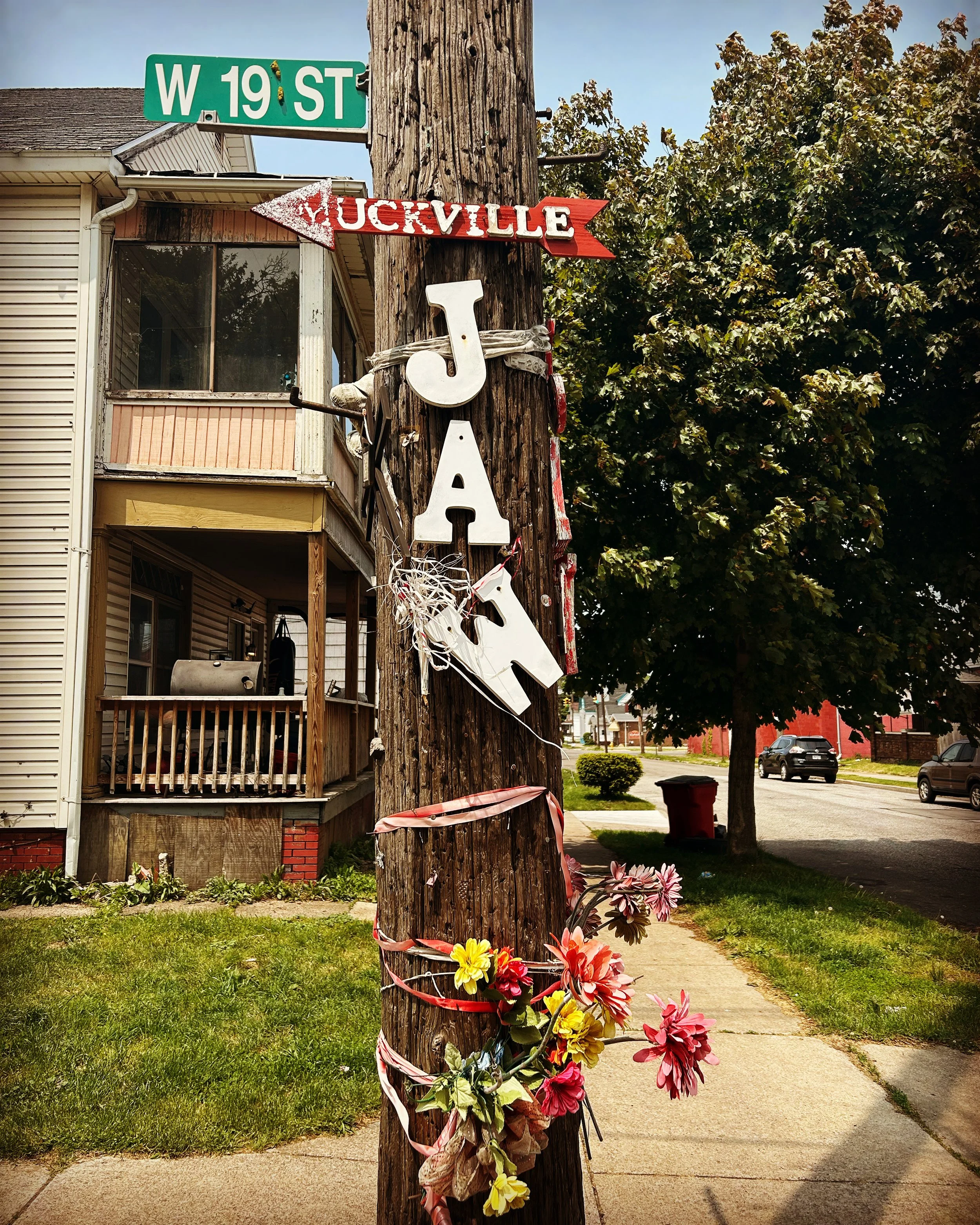
West 19th & Chestnut
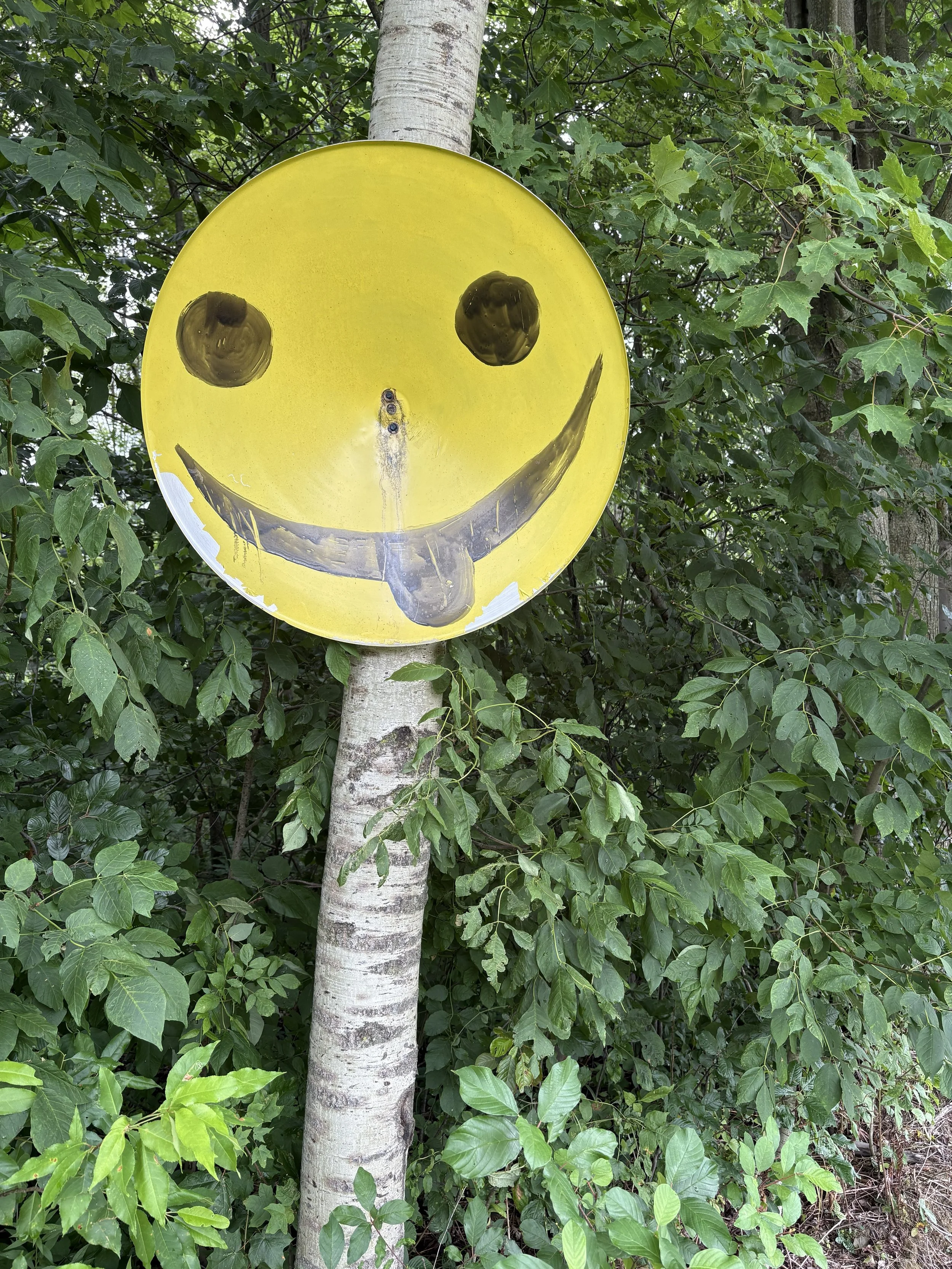
Hammett Area Nature Development