
Happenings

UFO Sighting at Beach 6
It began with a picnic.
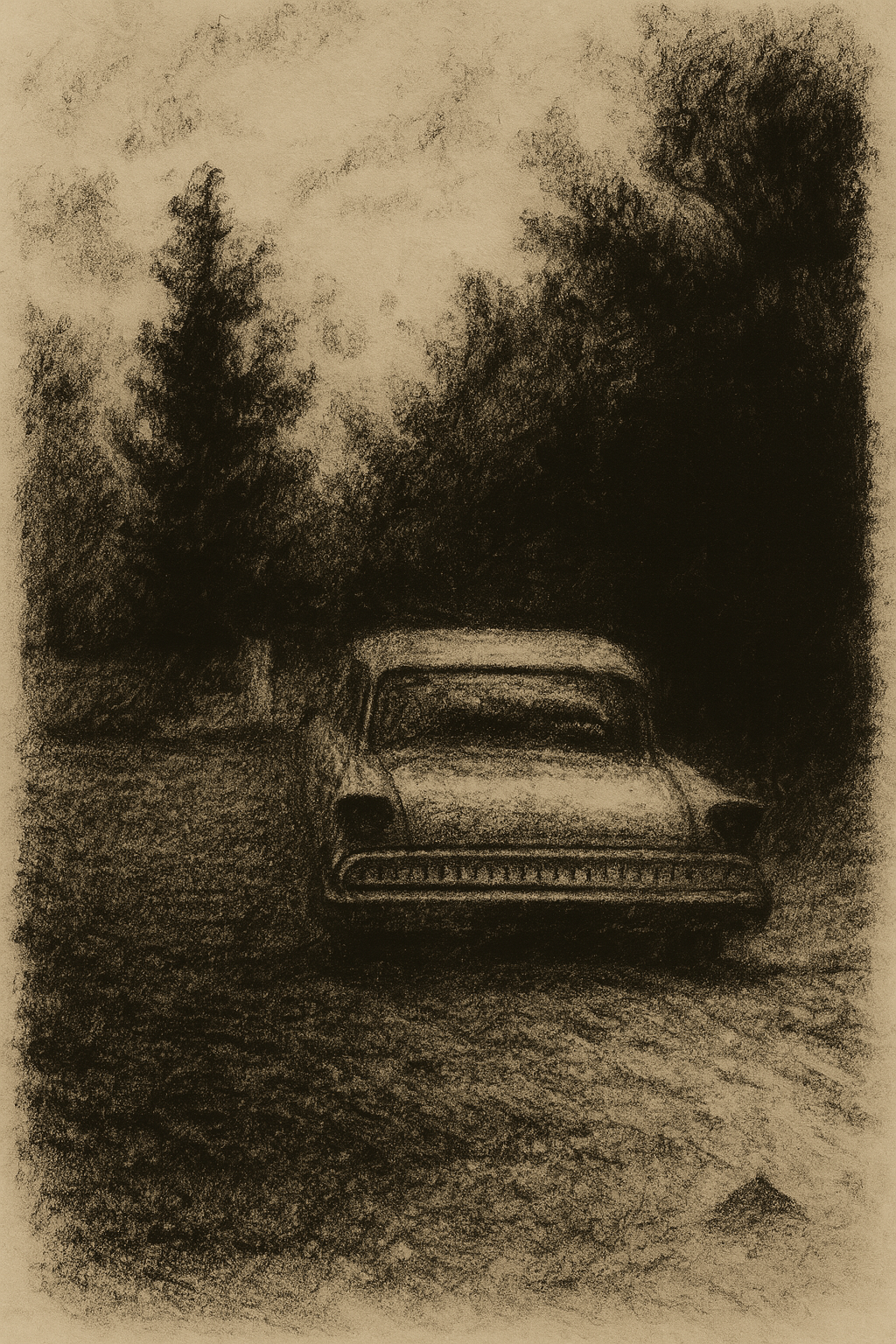
On the evening of July 31, 1966, a group from Jamestown, New York—Betty Jean Klem, Douglas Tibbetts, Anita Haifley, and Haifley’s two young daughters—found themselves stranded at the edge of Beach 6. Their car was stuck in the sand, and as they waited for help, the sky began to shift.
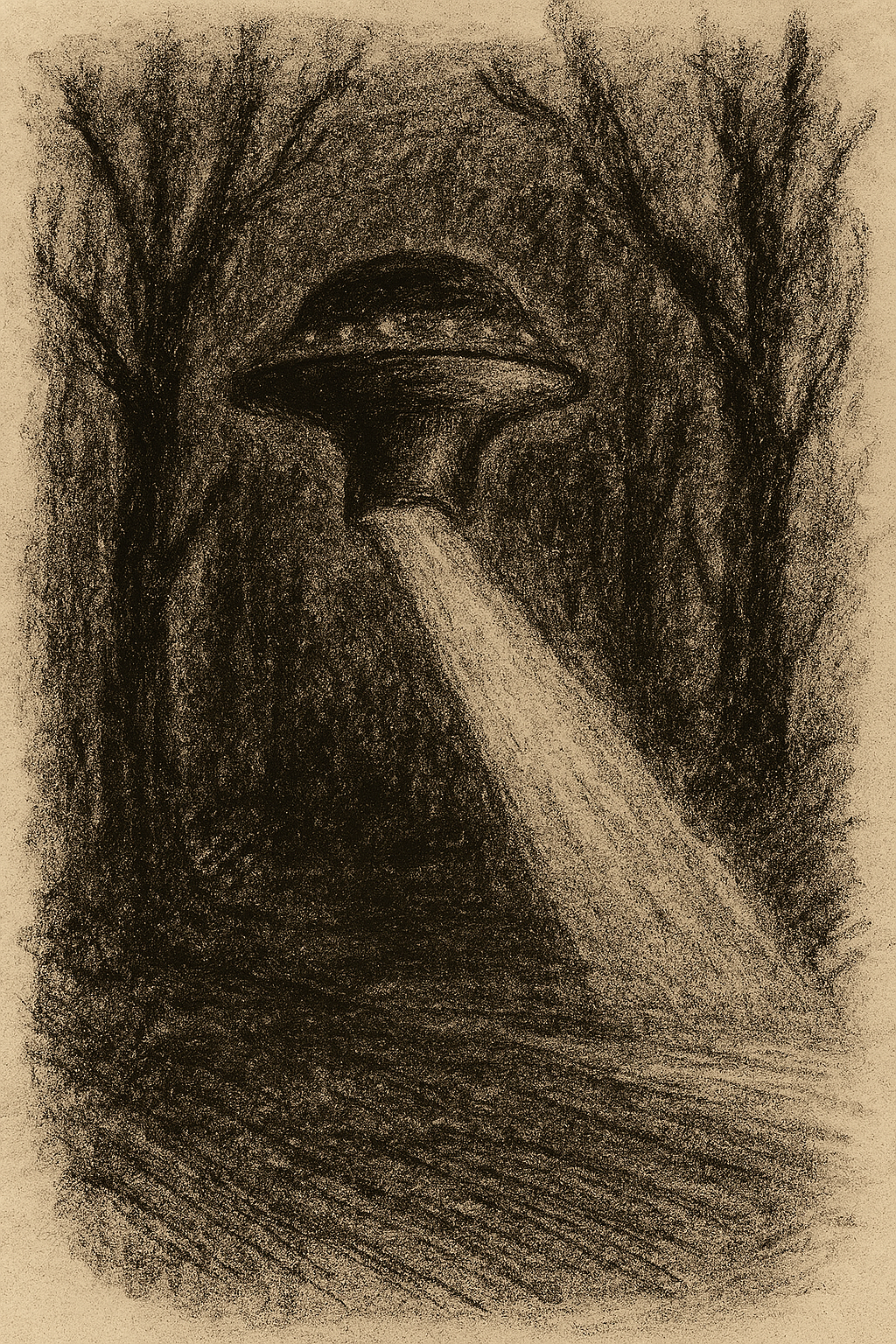
Betty saw it first. What looked like a star began to move—brightening, dimming, then plunging straight down between two trees. The car vibrated. Something metallic and mushroom-shaped hovered above the woods, casting a beam of light that crept along the ground in a straight, unwavering line. It wasn’t a searchlight. It was something else. Something that lit up the forest floor as if scanning it.
Then, just as suddenly, the light vanished.
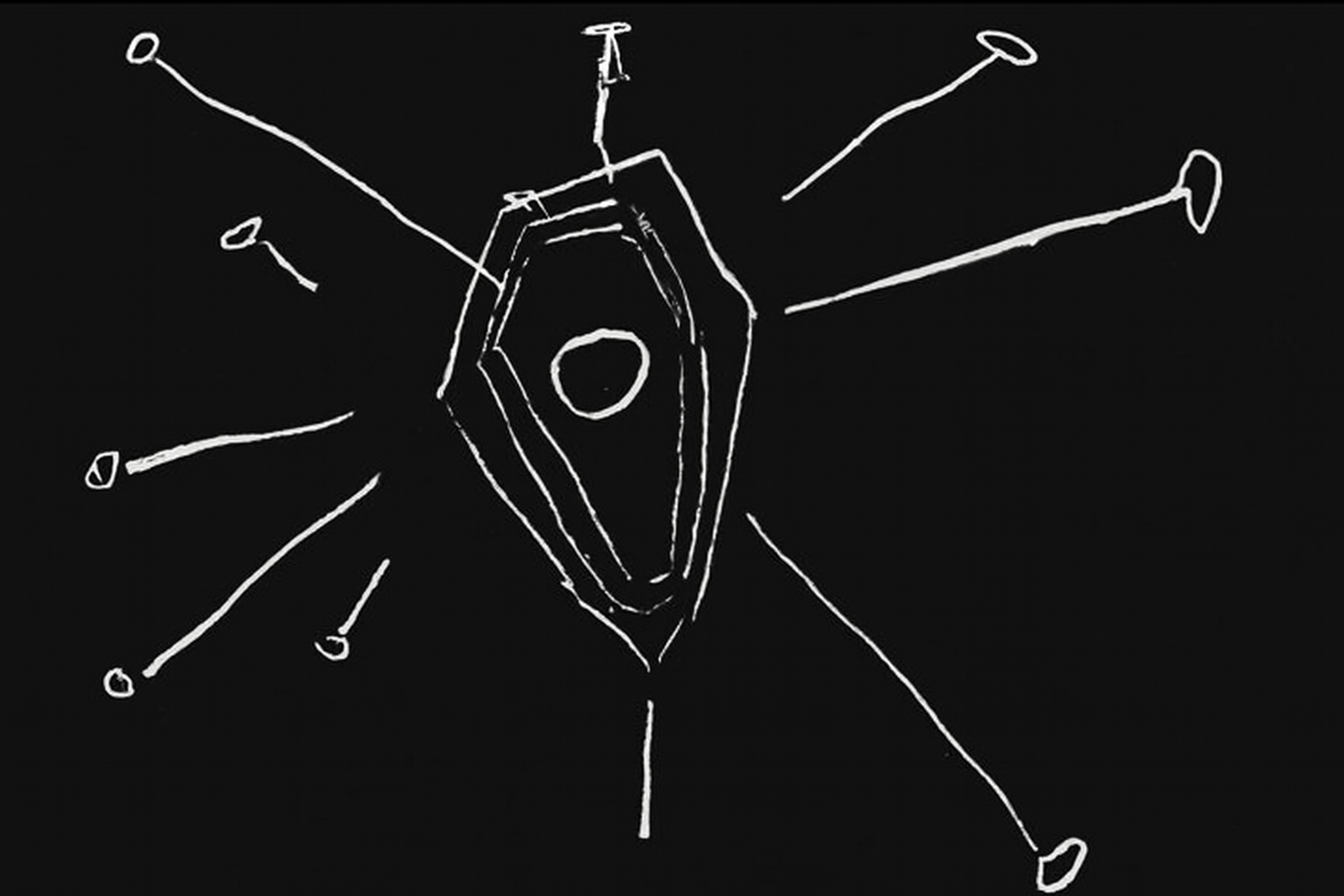
Police arrived moments later to find Betty in a state of hysteria. She wasn’t alone in her account—Tibbetts and Haifley confirmed what they’d seen. Officers searched the area and, by morning, found strange impressions in the sand: diamond-shaped, conical, and arranged in patterns that defied easy explanation. Some led in a straight line toward the car. Others pointed toward the water.
The sightings didn’t stop there.
That same night, eight other witnesses across Erie reported seeing a silvery, silent object hovering near the beach and darting across the sky. A group of teenagers sleeping in a backyard fled to their station wagon and locked the doors after spotting a round, glowing craft overhead. Two police officers watched a bright light shift colors and direction for nearly two hours before it vanished toward Canada. A science teacher described his experience as “classic.” A local photographer accidentally captured a saucer-like shape in the background of a shot. Even a lighthouse resident recalled seeing a blinking object months earlier.
The phenomenon drew national attention.
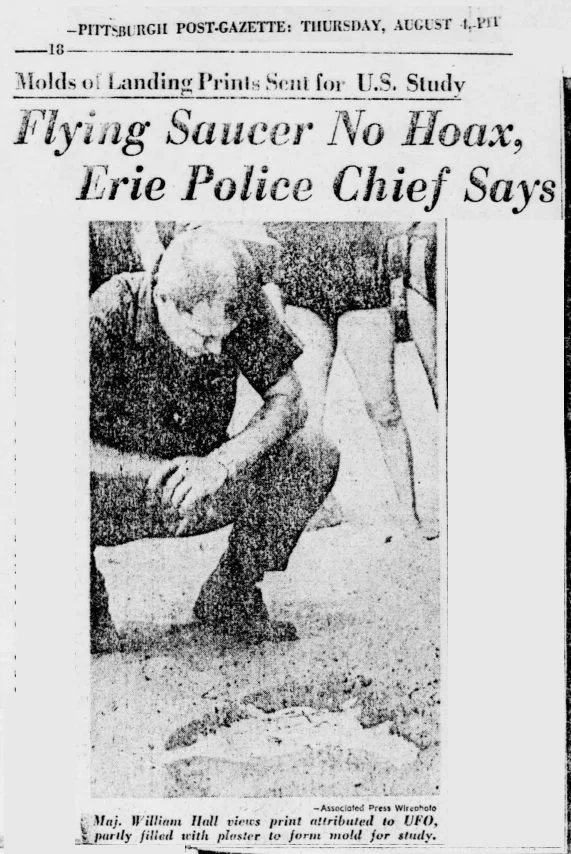
The National Investigations Committee on Aerial Phenomena (NICAP), a civilian group known for its rigorous UFO investigations, dispatched a team from Buffalo. The Air Force sent Major William Hall from Youngstown to collect plaster casts of the impressions and conduct radiation tests. The results were inconclusive. No radiation. No unusual soil. No official explanation.
Behind the scenes, the case was folded into Project Blue Book—the U.S. Air Force’s long-running study of unidentified flying objects. Between 1952 and 1969, Blue Book cataloged over 12,000 sightings. Most were dismissed as weather balloons, aircraft, or astronomical phenomena. But hundreds remained unexplained. The Presque Isle incident was one of them.
As the days passed, the frenzy faded. Sightings continued, but officials pointed to meteor showers and atmospheric distortions. The “Flying Duck,” a fishing boat, was mistaken for a hovering craft. A star in the northwest sky was blamed for changing colors. The park superintendent assured visitors that Presque Isle was safe.
But the marks in the sand remained. So did the stories.
And somewhere between the trees at Beach 6, a mystery still lingers—one that no amount of plaster, paperwork, or press releases has ever fully erased.